

Navigating childhood means encountering a series of new stages, from starting school to entering adolescence, each presenting unique challenges and opportunities for growth. For parents, guiding children through these transitions smoothly requires understanding, patience, and effective strategies. At Diamond Minds Transformational Leadership Academy, we recognize the profound impact these shifts have on a child's development and well-being. This blog post explores practical ways to support your child as they adapt to life's ever-evolving landscape, fostering resilience and confidence.
Understanding the Emotional Landscape of Change
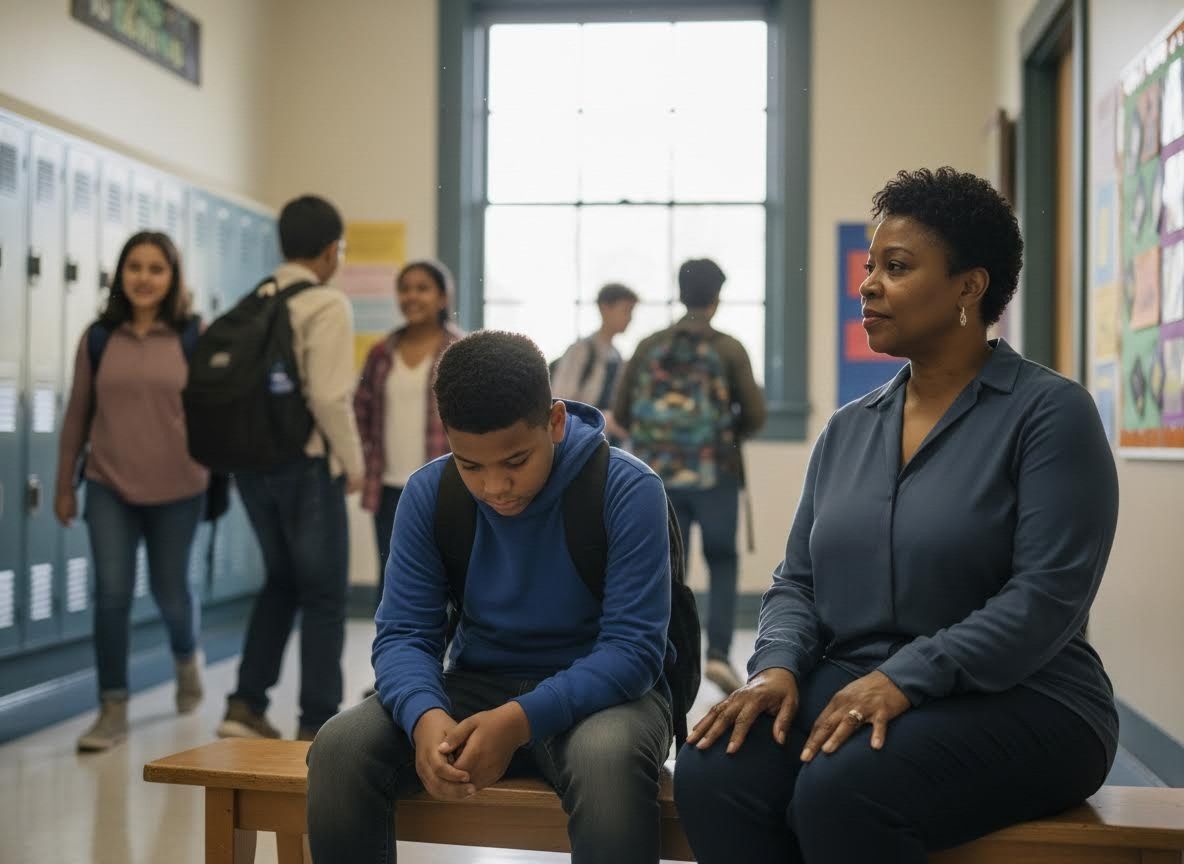
Change, even positive change, can evoke a mix of excitement, anxiety, and uncertainty in children. Their emotional responses may vary widely depending on age, temperament, and past experiences. Young children might express feelings through behavior, such as increased clinginess or regressions, while older children might vocalize their worries or withdraw. Recognizing these signs and validating their feelings is the first step in helping them process the transition. Creating a safe space for open communication allows children to articulate their fears and hopes, building a foundation of trust and understanding.
Cultivating Resilience Through Preparation and Support
Proactive preparation is key to fostering a child's adaptability. Discuss upcoming changes in an age-appropriate manner, using stories or role-playing to familiarize them with new routines or environments. Involve them in the planning process where possible, giving them a sense of control over their circumstances. Providing consistent routines during times of transition offers a sense of security and predictability, which is incredibly comforting. Furthermore, encouraging a growth mindset, where challenges are viewed as opportunities to learn, empowers children to approach new stages with courage. A holistic approach to education emphasizes nurturing not just academic skills but also emotional intelligence and social competence, which are vital for navigating change effectively.

The Power of Experiential Learning in Adaptation
Children learn best by doing and experiencing. When faced with a new situation, providing opportunities for experiential learning can significantly ease their adaptation. For example, before starting a new school, visiting the campus, meeting a teacher, or even practicing the new commute can transform an abstract concept into a tangible, less intimidating reality. Engaging children in hands-on activities related to the upcoming stage allows them to explore and master new skills in a supportive environment. This active engagement builds confidence and competence, turning potential fears into exciting discoveries about their capabilities.
Choosing an Environment that Fosters Growth
The environment in which a child grows and learns plays a significant role in their ability to adapt. A supportive educational setting, characterized by caring educators and a curriculum designed to foster individual strengths, can make all the difference. When considering educational options, many parents seek out private schools in Fort Lauderdale, FL, that prioritize individualized attention and a nurturing community. These environments often offer smaller class sizes and tailored support, which can be invaluable during periods of adjustment, ensuring children feel seen, heard, and understood as they navigate new academic and social landscapes.
Guiding children through life's many transitions is a journey that requires empathy, foresight, and a commitment to their overall well-being. By understanding their emotional needs, preparing them for change, leveraging the power of hands-on experiences, and choosing supportive environments, we equip them with the tools to thrive. At Diamond Minds Transformational Leadership Academy, we believe in nurturing resilient leaders ready for any stage of life. To learn more about how our programs can support your child's developmental journey, contact us today.